The Mental Health Revolution, Why Emotional Wellness Matters as Much as Physical Health

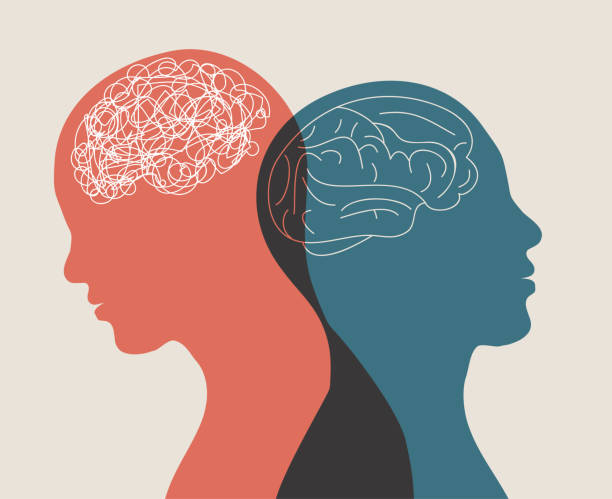
For decades, we have treated the mind and the body as separate entities. You go to a doctor for physical ailments and a therapist for mental ones. You track your steps, your heart rate, and your calories, but you rarely track your stress levels, your mood, or your emotional resilience. This artificial divide has created a dangerous blind spot in our pursuit of health. The truth is that mental and physical health are not separate; they are two sides of the same coin. You cannot have one without the other. The growing recognition of this fact is at the heart of a mental health revolution that is finally giving emotional wellness the attention it deserves.

The Mental Health Revolution, Why Emotional Wellness Matters as Much as Physical Health
The Mental Health Revolution, Why Emotional Wellness Matters as Much as Physical Health
Mental Health

The Mind-Body Connection

Science has now firmly established what ancient healing traditions have known for millennia: the mind and body are in constant, two-way communication. This connection is mediated by a complex network of hormones, neurotransmitters, and nerves. Consider the experience of stress. When you are under chronic psychological stress, your body releases cortisol and adrenaline. These hormones are designed for short-term emergencies—the “fight or flight” response. But when they are constantly present in your system due to work pressure, financial worry, or relationship difficulties, they wreak havoc on your physical health.

Chronic stress elevates blood pressure, increases inflammation throughout the body, suppresses the immune system, disrupts digestion, and contributes to weight gain, particularly around the abdomen. It is a risk factor for heart disease, diabetes, autoimmune disorders, and a host of other physical conditions. The reverse is also true. Chronic physical pain or illness takes a massive toll on mental health, leading to depression, anxiety, and feelings of hopelessness. The mind and body are not separate travelers on parallel paths; they are deeply intertwined partners in the journey of health.

The Scope of the Mental Health Challenge

The statistics are sobering. According to the World Health Organization, one in eight people globally lives with a mental health condition. Anxiety disorders are the most common, affecting hundreds of millions of people. Depression is a leading cause of disability worldwide. The COVID-19 pandemic triggered a 25% increase in the prevalence of anxiety and depression globally. These are not rare, niche issues. They are mainstream health challenges that touch every family, every workplace, and every community.

Yet, the stigma surrounding mental health persists. People are far more comfortable discussing a broken bone or a bout of the flu than they are discussing a panic attack or a depressive episode. This silence prevents people from seeking help. It isolates them in their suffering. The mental health revolution is fundamentally about breaking this silence. It is about normalizing conversations about emotional well-being. It is about recognizing that mental health struggles are not character flaws or personal failings; they are health conditions that deserve the same compassion and treatment as any physical illness.

The Pillars of Emotional Wellness

So, what does it mean to actively cultivate mental health, just as you would actively cultivate physical fitness? It involves building a toolkit of practices that support emotional resilience. One of the most powerful tools is social connection. Humans are wired for connection. Loneliness is as damaging to physical health as smoking 15 cigarettes a day. Nurturing your relationships, investing time in friends and family, and building a sense of community are foundational to mental health.

Another pillar is purpose and meaning. Having a reason to get out of bed in the morning—whether it’s your work, your family, a creative project, or volunteering—is a powerful protective factor against depression and anxiety. Purpose gives your life direction and context.

Mindfulness and meditation have moved from the fringes to the mainstream, and for good reason. Decades of research show that regular mindfulness practice reduces stress, decreases symptoms of anxiety and depression, improves attention, and even changes the structure of the brain in positive ways. It’s like strength training for your mind.

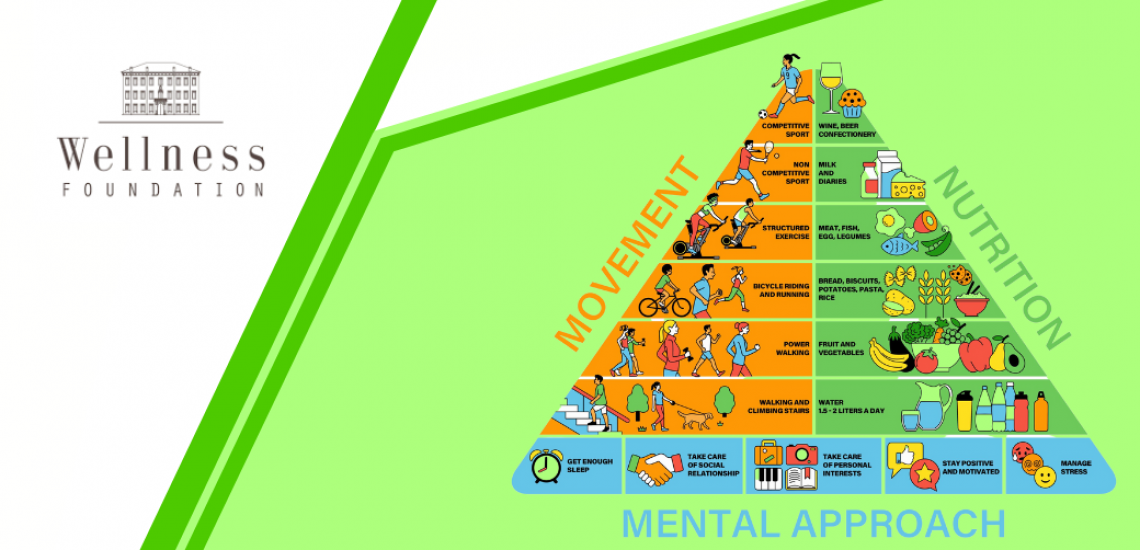
Finally, never underestimate the power of physical activity and sleep on mental health. Exercise is a potent antidepressant. Sleep is essential for emotional regulation. You cannot have a healthy mind in an exhausted, sedentary body.

When and How to Seek Help

Cultivating mental wellness through lifestyle practices is essential, but it is not a substitute for professional help when it’s needed. If you are experiencing persistent feelings of sadness, hopelessness, or worry that interfere with your daily life, it is time to reach out. If you are struggling to get out of bed, to concentrate at work, or to find joy in things you used to love, professional support can be life-changing. This might mean therapy with a licensed counselor or psychologist. It might mean medication prescribed by a psychiatrist. It might mean support groups or intensive outpatient programs. There is no shame in any of these options.

The mental health revolution is a call to action. It asks us to broaden our definition of health to include the health of our minds. It asks us to check in on our friends and loved ones, not just with a casual “How are you?” but with a genuine willingness to listen. It asks us to extend to ourselves the same compassion we would offer to a friend who was suffering. Emotional wellness is not a luxury; it is a necessity. It is the foundation upon which a truly healthy life is built.

Mindful Eating, Reclaiming Your Relationship with Food

In our modern world, eating has become a secondary activity. We eat while driving, while working at our desks, while scrolling through our phones, and while watching television. Food is often consumed mindlessly, shoveled in while our attention is elsewhere. We have lost the connection between the plate and the body, and this disconnection lies at the heart of so many of our struggles with weight, digestion, and overall health. Mindful eating is not another diet. It doesn’t tell you what to eat or what to avoid. Instead, it offers something far more valuable: a way to reclaim your relationship with food and rediscover the simple joy of nourishing your body.

Mindful Eating, Reclaiming Your Relationship with Food

Mindful Eating, Reclaiming Your Relationship with Food

What Mindful Eating Actually Means

At its core, mindful eating is about bringing your full attention to the experience of eating. It is rooted in the broader practice of mindfulness, which involves paying attention to the present moment without judgment. When applied to food, it means engaging all your senses. It means noticing the colors and textures of your food before you take a bite. It means appreciating the aromas. It means chewing slowly and truly tasting each flavor. It means paying attention to your body’s signals of hunger and fullness, and eating in response to those signals rather than in response to stress, boredom, or the mere presence of food.

Mindful eating is the antithesis of the diet mentality. Diets are external rulebooks. They tell you what is “good” and what is “bad.” They create a cycle of deprivation, rebellion, guilt, and shame. Mindful eating, by contrast, is an internal practice. It trusts that your body, when given the chance to be heard, knows what it needs. It removes the judgment and replaces it with curiosity. Why am I reaching for this food? Am I truly hungry, or am I tired, stressed, or sad? How does this food make me feel as I eat it? How do I feel afterward?

The Science of Satisfaction

One of the most powerful benefits of mindful eating is that it actually changes how your brain processes satisfaction. When you eat quickly and distractedly, your brain barely registers the food. You can consume a massive number of calories and still feel unsatisfied because your brain never got the message that you ate. This is why you can polish off an entire bag of chips while watching a movie and then immediately start looking for something else to eat.

It takes about 20 minutes for your brain to receive the signals from your stomach and intestines that you have eaten enough. These signals involve complex hormonal communications, including the release of leptin, the “fullness hormone.” When you eat mindfully and slowly, you give this biological system time to work. You allow your brain to catch up with your stomach. The result is that you naturally eat less while feeling more satisfied. You discover that a small amount of high-quality, flavorful food, eaten with full attention, can be far more satisfying than a large amount of food eaten on autopilot.

Mindful eating also enhances the pleasure of food. When was the last time you truly tasted your food? When you slow down and engage your senses, you rediscover the subtle flavors and textures that are lost when you eat mindlessly. A simple strawberry becomes an explosion of sweetness and acidity. A piece of dark chocolate becomes a complex, lingering experience. This heightened pleasure means you don’t need as much food to feel satisfied. Quality replaces quantity.

Breaking the Emotional Eating Cycle

Perhaps the greatest gift of mindful eating is its power to break the cycle of emotional eating. So much of our eating is driven not by physical hunger, but by emotional hunger. We eat to soothe anxiety, to reward ourselves after a hard day, to alleviate boredom, or to numb difficult feelings. These are not signs of weakness; they are deeply ingrained coping mechanisms. Mindful eating helps you see these patterns clearly for the first time.

The practice is to pause before you eat. Place a hand on your stomach and ask yourself: “What is my hunger level on a scale of one to ten?” If you are not physically hungry, the next question is: “What am I actually feeling right now? What do I really need?” If you are stressed, maybe what you need is a walk, a few deep breaths, or a call to a friend, not a bowl of ice cream. This isn’t about denying yourself comfort; it’s about finding the comfort that actually addresses the need. Sometimes, you might still choose the ice cream, and that’s okay. But you make that choice consciously, without judgment, and you savor every single bite.

Practical Steps to Begin

Starting a mindful eating practice doesn’t require a complete lifestyle overhaul. Begin with just one meal per day. For that one meal, remove all distractions. Turn off the TV. Put your phone in another room. Sit at a table. Before you take your first bite, take a moment to appreciate your food. Notice its colors and aromas. Take a small bite and put your utensils down. Chew slowly, noticing the textures and flavors. Pay attention to the experience of swallowing. Then, pause before the next bite. Notice how your body feels as you eat. Stop when you are comfortably full, not stuffed.

This simple practice, repeated regularly, can transform your relationship with food. It frees you from the tyranny of diets and the guilt of “cheating.” It returns you to a place of trust and enjoyment. Mindful eating isn’t about eating less; it’s about eating with more awareness, more pleasure, and more respect for the miraculous body that food nourishes.

Moving for Longevity, Why Exercise Isn’t Just About Weight Loss

When we think of exercise, the image that often comes to mind is someone sweating on a treadmill, desperately trying to burn off last night’s dinner. We have been conditioned to view physical activity primarily as a tool for weight loss, a punishment for indulgence, or a chore to be endured for the sake of appearance. This narrow focus misses the far more profound and transformative purpose of movement. The real reason to exercise isn’t to shrink your waistline for swimsuit season; it’s to add years to your life and life to your years. It’s about building a body that can carry you through old age with strength, independence, and vitality.

Moving for Longevity, Why Exercise Isn’t Just About Weight Loss

Moving for Longevity, Why Exercise Isn't Just About Weight Loss

The Heart of the Matter: Cardiovascular Health

At its core, exercise is about strengthening the most important muscle in your body: your heart. The heart is a pump, and like any pump, it functions best when it is regularly challenged. When you engage in aerobic exercise—brisk walking, running, swimming, cycling—you force your heart to work harder to deliver oxygen to your working muscles. Over time, this makes the heart muscle itself stronger and more efficient.

A stronger heart pumps more blood with each beat. This means your resting heart rate drops, reducing the wear and tear on your cardiovascular system. Regular exercise helps to lower blood pressure by making your arteries more elastic. It improves your cholesterol profile by increasing “good” HDL cholesterol and reducing harmful triglycerides. It reduces inflammation throughout the body, a key driver of heart disease. The result is a dramatically reduced risk of heart attack, stroke, and other cardiovascular events. You are quite literally adding beats to your heart by challenging it regularly.

Building Your Biological Bank Account: Muscle and Bone

We tend to think of muscle as something for bodybuilders or athletes, but muscle is actually your body’s most important metabolic organ. It is a reservoir of strength and a key player in regulating blood sugar. As we age, we naturally lose muscle mass in a process called sarcopenia. This loss begins as early as our 30s and accelerates after 50. The less muscle you have, the weaker you become, the slower your metabolism, and the harder it is to perform everyday tasks like carrying groceries, getting up from a chair, or playing with grandchildren.

Resistance training—lifting weights, using resistance bands, or doing bodyweight exercises like push-ups and squats—is the antidote to this decline. It signals your body to preserve and even build muscle, regardless of your age. Strong muscles protect your joints by providing stability. They improve your balance, reducing the risk of falls, which are a leading cause of injury and loss of independence in older adults.

Equally important is the impact on your skeleton. Bones are living tissue that respond to the stress placed upon them. Weight-bearing exercise forces your bones to work against gravity, stimulating them to become denser and stronger. This is your primary defense against osteoporosis, a condition that makes bones fragile and prone to fracture. Building bone density when you are young and maintaining it as you age is one of the most important investments you can make in your future mobility.

The Brain-Body Connection: Mental Health and Cognitive Function

The benefits of exercise extend far below the neck. Physical activity is one of the most powerful tools we have for managing mental health. When you exercise, your brain releases a cascade of neurochemicals. Endorphins act as natural painkillers and mood elevators, creating the famous “runner’s high.” Dopamine, serotonin, and norepinephrine are also released, which help alleviate symptoms of anxiety and depression. For many people, regular exercise can be as effective as medication for treating mild to moderate depression, without the side effects.

Exercise also protects your brain for the long haul. It stimulates the production of a protein called BDNF (Brain-Derived Neurotrophic Factor), which acts like fertilizer for your brain cells. BDNF supports the survival of existing neurons and encourages the growth of new ones, as well as the connections between them. This process, called neuroplasticity, is essential for learning and memory. Regular aerobic exercise has been shown to increase the size of the hippocampus, the brain area involved in verbal memory and learning. This is why exercise is one of the most promising interventions for delaying the onset of cognitive decline and diseases like Alzheimer’s.

Finding Movement You Love

The key to reaping these longevity benefits is not punishing yourself with hours of grueling cardio. It’s about finding forms of movement that you genuinely enjoy and can sustain for a lifetime. It might be dancing, hiking, yoga, playing tennis, or simply taking a daily walk in nature. The goal is not to achieve a certain number on the scale, but to feel the joy of a body that moves well. Exercise, when viewed through the lens of longevity, transforms from a chore into a celebration of what your body can do. It is the single best investment you can make in the person you will be in 10, 20, or 50 years.

Hydration Nation, How Proper Water Intake Transforms Your Health

Water is the most abundant substance in the human body, making up about 60% of our total mass. It’s in our blood, our muscles, our brain, and even our bones. We can survive for weeks without food, but only a matter of days without water. Yet, despite its fundamental importance, hydration is one of the most overlooked aspects of everyday health. We walk around in a state of chronic, low-grade dehydration, mistaking its symptoms for hunger, fatigue, or simply a bad mood. Understanding the transformative power of proper hydration is one of the simplest and most effective steps you can take toward a healthier life.

Hydration Nation, How Proper Water Intake Transforms Your Health

Hydration Nation, How Proper Water Intake Transforms Your Health

The Body’s Essential Fluid

To appreciate why water matters, you have to understand what it actually does. Every single system in your body depends on water. It acts as a lubricant for your joints. The synovial fluid that keeps your knees and hips moving smoothly is water-based. When you are dehydrated, this fluid decreases, leading to stiffness and discomfort. Water regulates your body temperature through sweating and respiration. It protects your spinal cord and other sensitive tissues. It acts as a shock absorber for your brain and your unborn child if you are pregnant.

At a cellular level, water is the medium in which all of life’s chemical reactions take place. It helps convert food into energy. It transports nutrients and oxygen to your cells and carries waste products away. Your kidneys rely on adequate water to filter toxins from your blood and excrete them in urine. Without enough water, these processes slow down, leading to a buildup of waste and a decrease in efficiency. You become, quite literally, sluggish.

The Cognitive and Energy Connection

Perhaps the most immediate and noticeable effect of dehydration is on your brain. The brain is approximately 73% water, and it is incredibly sensitive to changes in fluid balance. Even mild dehydration—a loss of just 1-2% of your body’s water—can impair cognitive function. Studies have shown that this level of dehydration can lead to difficulties with concentration, short-term memory, and alertness. It can also significantly increase the frequency and intensity of headaches.

Have you ever experienced that mid-afternoon energy slump that no amount of coffee seems to fix? Dehydration might be the culprit. When you are dehydrated, your blood volume actually drops. This means your heart has to work harder to pump blood and oxygen to your muscles and organs. This added strain leads to feelings of fatigue and lethargy. Reaching for a glass of water is often a more effective and sustainable energy booster than reaching for another cup of coffee, which is itself a diuretic and can contribute to further fluid loss.

Weight Management and Digestion

For those focused on weight management, water is an incredibly powerful, yet free, tool. Often, the body’s signal for thirst is misinterpreted by the brain as a signal for hunger. Before reaching for a snack, drink a glass of water and wait 15 minutes. You may find the hunger pangs disappear. Drinking water before meals can also promote a feeling of fullness, leading to consuming fewer calories during the meal itself.

Water is also essential for healthy digestion. It is a key component of saliva and gastric juices, which are necessary for breaking down food. It helps dissolve fats and soluble fiber, allowing them to pass through the digestive system more easily. Perhaps most importantly, water prevents constipation by keeping stool soft and moving. Chronic dehydration is a leading cause of digestive issues, including constipation and an increased risk of heartburn.

How Much and How to Know

The old advice of “eight glasses a day” is a helpful starting point, but it’s not a one-size-fits-all prescription. Your individual water needs depend on a variety of factors: your activity level, the climate you live in, your overall health, and even whether you are pregnant or breastfeeding. A more accurate guideline is to let your body be your guide. The color of your urine is an excellent indicator. Pale yellow, the color of lemonade, suggests you are well-hydrated. Dark yellow or amber-colored urine is a clear sign you need to drink up.

Don’t wait until you feel thirsty to drink. Thirst is a late signal; by the time you feel it, you are already mildly dehydrated. Make hydration a habit. Carry a reusable water bottle with you throughout the day. Infuse your water with fruits or herbs if you find plain water boring. Eat water-rich foods like cucumbers, watermelon, oranges, and soups. Remember that caffeinated beverages and alcohol can have a diuretic effect, so for every cup of coffee or glass of wine, consider adding an extra glass of water.

Hydration is not a complicated wellness trend. It is a return to the basics. By giving your body the fluid it craves, you unlock higher energy levels, sharper thinking, better digestion, and a greater sense of overall well-being. It is the simplest, cheapest, and most effective health hack there is.

The Foundation of Wellness, Why Sleep is Your Body’s Most Powerful Medicine

In our fast-paced, productivity-obsessed culture, sleep is often treated as an inconvenience. We wear our ability to function on four or five hours like a badge of honor. We binge-watch shows late into the night, scroll through social media in bed, and reach for caffeine the moment our eyes open. We have come to view sleep as wasted time, a necessary evil that gets in the way of living. But what if everything we think we know about sleep is backwards? What if sleep isn’t the absence of living, but the very foundation upon which a healthy life is built?

The Foundation of Wellness, Why Sleep is Your Body’s Most Powerful Medicine

The Foundation of Wellness, Why Sleep is Your Body's Most Powerful Medicine

The Nightly Maintenance Crew

Think of your body as a high-performance vehicle. You wouldn’t drive it for thousands of miles without ever changing the oil, rotating the tires, or taking it in for a tune-up. Yet, this is exactly what we do when we chronically short-change our sleep. While you rest, your body goes to work. Sleep is not a passive state of unconsciousness; it is an active, dynamic period of intense biological maintenance.

During deep sleep, your body releases growth hormone, which is essential for repairing cells, building muscle, and healing tissue. Your immune system releases proteins called cytokines, which are crucial for fighting infection and inflammation. Skimping on sleep suppresses your immune function, making you more susceptible to everything from the common cold to more serious illnesses. While you sleep, your cardiovascular system gets a well-deserved rest, lowering your heart rate and blood pressure, giving your heart a break it desperately needs.

The Brain’s Deep Clean: The Glymphatic System

Perhaps the most astonishing discovery in sleep science in recent years is the existence of the glymphatic system. Think of it as your brain’s personal waste disposal team. While you are awake, your brain cells are busy firing, creating metabolic byproducts—biological trash—as a result of their activity. One of these waste products is beta-amyloid, a protein that forms the sticky plaques characteristic of Alzheimer’s disease.

Here’s the remarkable part: this cleanup system is almost ten times more active during sleep than during wakefulness. The space between your brain cells actually increases, allowing cerebrospinal fluid to flow through and flush out these toxic buildup. When you don’t get enough sleep, this cleanup is incomplete. The trash accumulates. Over time, this buildup is linked not only to Alzheimer’s but to other neurodegenerative diseases. In a very real sense, you are quite literally cleaning your brain every time you get a good night’s rest. Skipping sleep is like never taking out the trash and being surprised when your house starts to smell.

Emotional Regulation and Memory Consolidation

Have you ever noticed how everything feels more overwhelming after a bad night’s sleep? That’s not just in your head. Sleep is critical for emotional regulation. The amygdala, the brain’s emotional center, becomes hyper-reactive when you are sleep-deprived. At the same time, the prefrontal cortex, which is responsible for rational thought and impulse control, is effectively put to sleep itself. This combination leads to mood swings, increased anxiety, and poor judgment. A good night’s sleep doesn’t just make you feel rested; it makes you emotionally resilient.

Sleep is also when your brain processes and stores memories. Throughout the day, you absorb an overwhelming amount of information. During sleep, particularly during REM (Rapid Eye Movement) sleep, your brain replays the day’s events, deciding what to keep and what to discard. It strengthens neural connections, transferring important information from short-term memory to long-term storage. If you study for an exam and then pull an all-nighter, you have effectively undone much of the benefit of your studying. You must sleep to learn.

Practical Steps for Sleep Hygiene

Given the profound importance of sleep, how can we actually get more of it? It starts with treating sleep as non-negotiable. Aim for seven to nine hours per night. Establish a consistent sleep schedule, going to bed and waking up at the same time even on weekends. Your body craves routine. Create a relaxing bedtime ritual: a warm bath, reading a physical book, gentle stretching. Dim the lights an hour before bed to encourage melatonin production. And perhaps most importantly, banish screens from the bedroom. The blue light emitted by phones and tablets suppresses melatonin and tricks your brain into thinking it’s still daytime.

Sleep is not the enemy of productivity; it is its greatest ally. It is the foundation upon which a healthy, happy, and high-performing life is built. When you prioritize sleep, you are not wasting time; you are investing in the most powerful medicine your body will ever have.