For decades, we have treated the mind and the body as separate entities. You go to a doctor for physical ailments and a therapist for mental ones. You track your steps, your heart rate, and your calories, but you rarely track your stress levels, your mood, or your emotional resilience. This artificial divide has created a dangerous blind spot in our pursuit of health. The truth is that mental and physical health are not separate; they are two sides of the same coin. You cannot have one without the other. The growing recognition of this fact is at the heart of a mental health revolution that is finally giving emotional wellness the attention it deserves.
The Mental Health Revolution, Why Emotional Wellness Matters as Much as Physical Health
The Mind-Body Connection
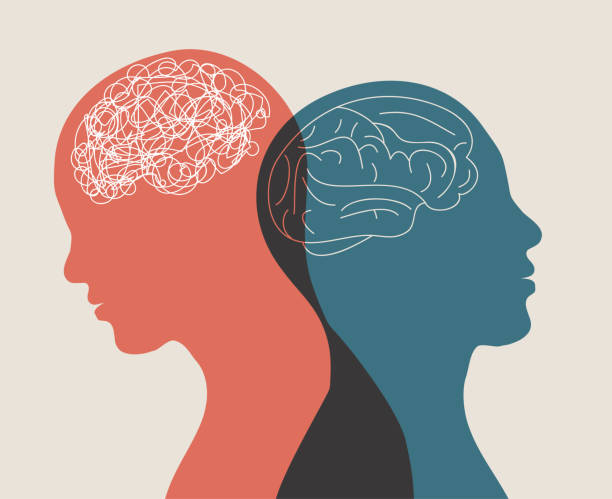
Science has now firmly established what ancient healing traditions have known for millennia: the mind and body are in constant, two-way communication. This connection is mediated by a complex network of hormones, neurotransmitters, and nerves. Consider the experience of stress. When you are under chronic psychological stress, your body releases cortisol and adrenaline. These hormones are designed for short-term emergencies—the “fight or flight” response. But when they are constantly present in your system due to work pressure, financial worry, or relationship difficulties, they wreak havoc on your physical health.
Chronic stress elevates blood pressure, increases inflammation throughout the body, suppresses the immune system, disrupts digestion, and contributes to weight gain, particularly around the abdomen. It is a risk factor for heart disease, diabetes, autoimmune disorders, and a host of other physical conditions. The reverse is also true. Chronic physical pain or illness takes a massive toll on mental health, leading to depression, anxiety, and feelings of hopelessness. The mind and body are not separate travelers on parallel paths; they are deeply intertwined partners in the journey of health.
The Scope of the Mental Health Challenge
The statistics are sobering. According to the World Health Organization, one in eight people globally lives with a mental health condition. Anxiety disorders are the most common, affecting hundreds of millions of people. Depression is a leading cause of disability worldwide. The COVID-19 pandemic triggered a 25% increase in the prevalence of anxiety and depression globally. These are not rare, niche issues. They are mainstream health challenges that touch every family, every workplace, and every community.
Yet, the stigma surrounding mental health persists. People are far more comfortable discussing a broken bone or a bout of the flu than they are discussing a panic attack or a depressive episode. This silence prevents people from seeking help. It isolates them in their suffering. The mental health revolution is fundamentally about breaking this silence. It is about normalizing conversations about emotional well-being. It is about recognizing that mental health struggles are not character flaws or personal failings; they are health conditions that deserve the same compassion and treatment as any physical illness.
The Pillars of Emotional Wellness
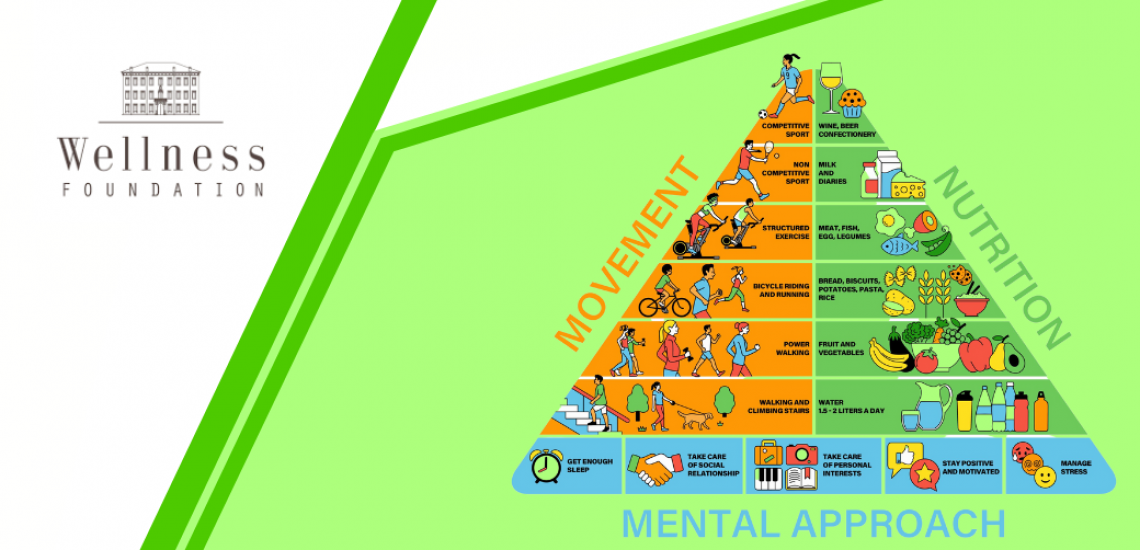
So, what does it mean to actively cultivate mental health, just as you would actively cultivate physical fitness? It involves building a toolkit of practices that support emotional resilience. One of the most powerful tools is social connection. Humans are wired for connection. Loneliness is as damaging to physical health as smoking 15 cigarettes a day. Nurturing your relationships, investing time in friends and family, and building a sense of community are foundational to mental health.
Another pillar is purpose and meaning. Having a reason to get out of bed in the morning—whether it’s your work, your family, a creative project, or volunteering—is a powerful protective factor against depression and anxiety. Purpose gives your life direction and context.
Mindfulness and meditation have moved from the fringes to the mainstream, and for good reason. Decades of research show that regular mindfulness practice reduces stress, decreases symptoms of anxiety and depression, improves attention, and even changes the structure of the brain in positive ways. It’s like strength training for your mind.
Finally, never underestimate the power of physical activity and sleep on mental health. Exercise is a potent antidepressant. Sleep is essential for emotional regulation. You cannot have a healthy mind in an exhausted, sedentary body.
When and How to Seek Help
Cultivating mental wellness through lifestyle practices is essential, but it is not a substitute for professional help when it’s needed. If you are experiencing persistent feelings of sadness, hopelessness, or worry that interfere with your daily life, it is time to reach out. If you are struggling to get out of bed, to concentrate at work, or to find joy in things you used to love, professional support can be life-changing. This might mean therapy with a licensed counselor or psychologist. It might mean medication prescribed by a psychiatrist. It might mean support groups or intensive outpatient programs. There is no shame in any of these options.
The mental health revolution is a call to action. It asks us to broaden our definition of health to include the health of our minds. It asks us to check in on our friends and loved ones, not just with a casual “How are you?” but with a genuine willingness to listen. It asks us to extend to ourselves the same compassion we would offer to a friend who was suffering. Emotional wellness is not a luxury; it is a necessity. It is the foundation upon which a truly healthy life is built.