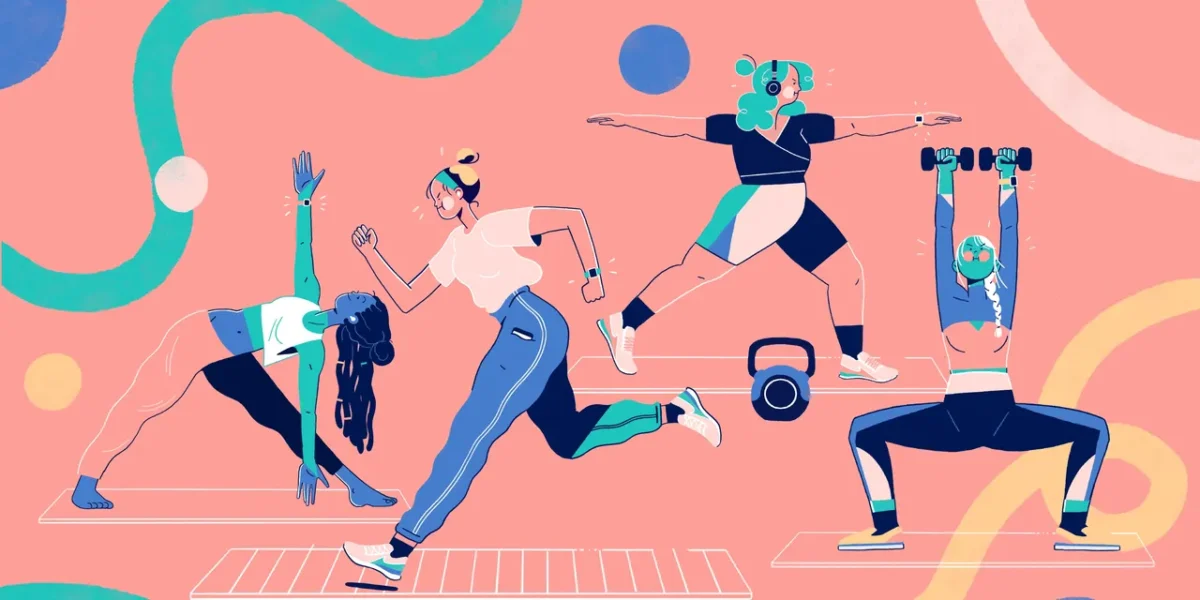
When we think of exercise, the image that often comes to mind is someone sweating on a treadmill, desperately trying to burn off last night’s dinner. We have been conditioned to view physical activity primarily as a tool for weight loss, a punishment for indulgence, or a chore to be endured for the sake of appearance. This narrow focus misses the far more profound and transformative purpose of movement. The real reason to exercise isn’t to shrink your waistline for swimsuit season; it’s to add years to your life and life to your years. It’s about building a body that can carry you through old age with strength, independence, and vitality.
Moving for Longevity, Why Exercise Isn’t Just About Weight Loss
The Heart of the Matter: Cardiovascular Health
At its core, exercise is about strengthening the most important muscle in your body: your heart. The heart is a pump, and like any pump, it functions best when it is regularly challenged. When you engage in aerobic exercise—brisk walking, running, swimming, cycling—you force your heart to work harder to deliver oxygen to your working muscles. Over time, this makes the heart muscle itself stronger and more efficient.
A stronger heart pumps more blood with each beat. This means your resting heart rate drops, reducing the wear and tear on your cardiovascular system. Regular exercise helps to lower blood pressure by making your arteries more elastic. It improves your cholesterol profile by increasing “good” HDL cholesterol and reducing harmful triglycerides. It reduces inflammation throughout the body, a key driver of heart disease. The result is a dramatically reduced risk of heart attack, stroke, and other cardiovascular events. You are quite literally adding beats to your heart by challenging it regularly.
Building Your Biological Bank Account: Muscle and Bone
We tend to think of muscle as something for bodybuilders or athletes, but muscle is actually your body’s most important metabolic organ. It is a reservoir of strength and a key player in regulating blood sugar. As we age, we naturally lose muscle mass in a process called sarcopenia. This loss begins as early as our 30s and accelerates after 50. The less muscle you have, the weaker you become, the slower your metabolism, and the harder it is to perform everyday tasks like carrying groceries, getting up from a chair, or playing with grandchildren.
Resistance training—lifting weights, using resistance bands, or doing bodyweight exercises like push-ups and squats—is the antidote to this decline. It signals your body to preserve and even build muscle, regardless of your age. Strong muscles protect your joints by providing stability. They improve your balance, reducing the risk of falls, which are a leading cause of injury and loss of independence in older adults.
Equally important is the impact on your skeleton. Bones are living tissue that respond to the stress placed upon them. Weight-bearing exercise forces your bones to work against gravity, stimulating them to become denser and stronger. This is your primary defense against osteoporosis, a condition that makes bones fragile and prone to fracture. Building bone density when you are young and maintaining it as you age is one of the most important investments you can make in your future mobility.
The Brain-Body Connection: Mental Health and Cognitive Function
The benefits of exercise extend far below the neck. Physical activity is one of the most powerful tools we have for managing mental health. When you exercise, your brain releases a cascade of neurochemicals. Endorphins act as natural painkillers and mood elevators, creating the famous “runner’s high.” Dopamine, serotonin, and norepinephrine are also released, which help alleviate symptoms of anxiety and depression. For many people, regular exercise can be as effective as medication for treating mild to moderate depression, without the side effects.
Exercise also protects your brain for the long haul. It stimulates the production of a protein called BDNF (Brain-Derived Neurotrophic Factor), which acts like fertilizer for your brain cells. BDNF supports the survival of existing neurons and encourages the growth of new ones, as well as the connections between them. This process, called neuroplasticity, is essential for learning and memory. Regular aerobic exercise has been shown to increase the size of the hippocampus, the brain area involved in verbal memory and learning. This is why exercise is one of the most promising interventions for delaying the onset of cognitive decline and diseases like Alzheimer’s.
Finding Movement You Love
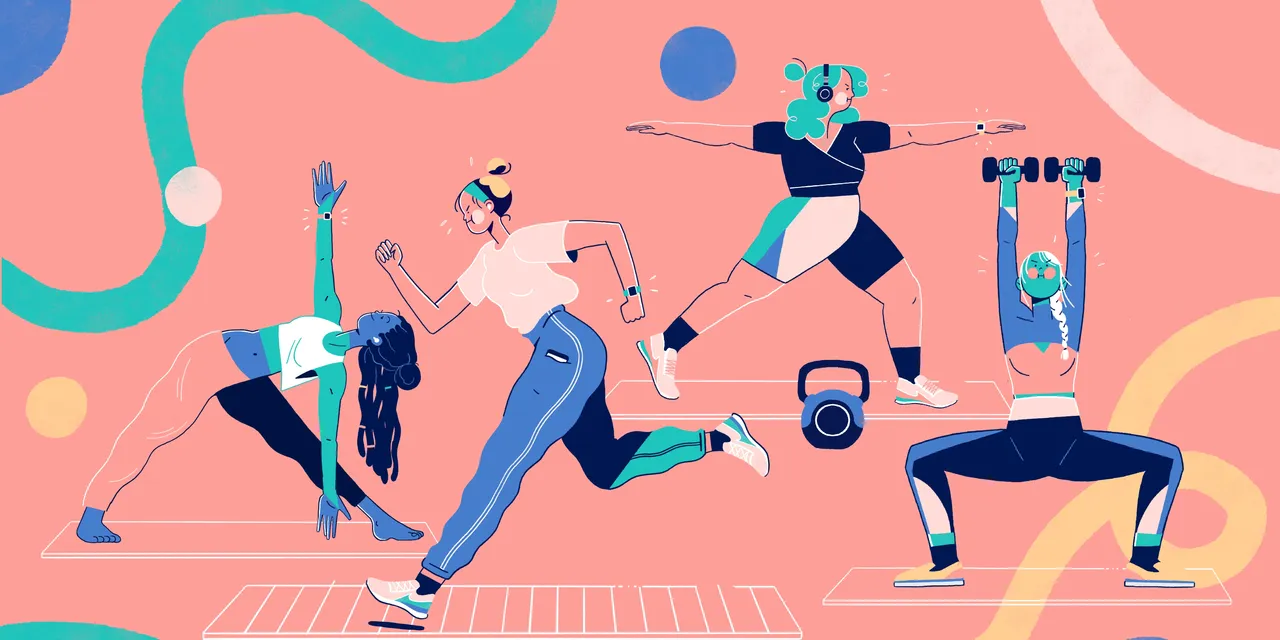
The key to reaping these longevity benefits is not punishing yourself with hours of grueling cardio. It’s about finding forms of movement that you genuinely enjoy and can sustain for a lifetime. It might be dancing, hiking, yoga, playing tennis, or simply taking a daily walk in nature. The goal is not to achieve a certain number on the scale, but to feel the joy of a body that moves well. Exercise, when viewed through the lens of longevity, transforms from a chore into a celebration of what your body can do. It is the single best investment you can make in the person you will be in 10, 20, or 50 years.